
New
Rick and Morty 2026 Fan Apparel Hub: How Fans Express Chaos and Intelligence Through Style
The 2026 season has pushed Rick and Morty back to the center of pop culture conversation. Between the new season rollout and the Rick and Morty: The Anime crossover hype, the fandom isn’t just watching—it’s signaling. Apparel has become a high-IQ social marker inside the community, a way to communicate taste, humor, and intellectual alignment without saying a word.
What is the Rick and Morty 2026 Style Trend?
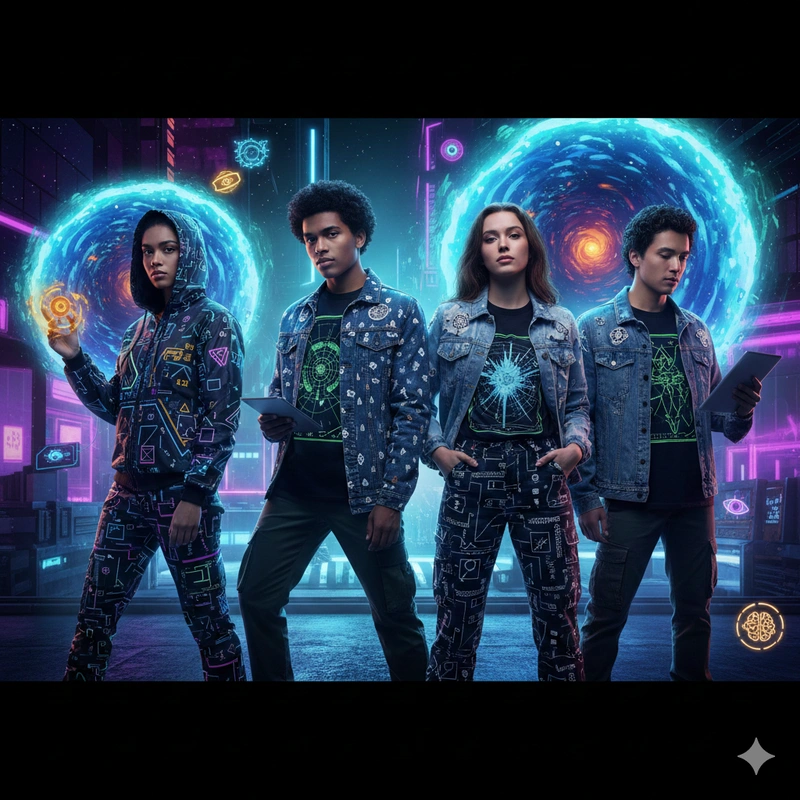
The Rick and Morty 2026 style trend moves away from basic character prints and toward experimental, concept-driven design. Fans are gravitating to glitch textures, distorted timelines, portal residue effects, and layered symbolism pulled straight from the multiverse. This evolution reflects how the fandom sees itself. Rick and Morty apparel trends in 2026 favor pieces that feel decoded rather than explained. Streetwear silhouettes meet sci-fi fan fashion, creating outfits that reward people who understand the reference instead of broadcasting it. Rick and Morty streetwear now functions as cultural shorthand—an outward expression of chaotic intelligence, skepticism, and humor that aligns with the show’s tone.
From Screen to Street: Why “Chaos” Aesthetics are Trending
Chaos has always been part of the Rick and Morty DNA, but in 2026 it’s visually louder and socially validated. Portal fluid drips, fragmented typography, and Council of Ricks iconography are everywhere across fan posts, memes, and remix culture. Social media plays a huge role here. Short-form video edits and meme threads favor designs that look unstable, layered, and intentionally messy. Weird cartoon aesthetics translate well to digital-first platforms, and fans want apparel that mirrors the same visual energy they engage with online. Wearing chaos isn’t random—it’s deliberate. These designs signal comfort with complexity and contradiction, which is exactly what keeps the Rick and Morty fanbase engaged season after season.
Signalling Intelligence Through Subtlety
Alongside visual chaos, there’s a parallel move toward restraint. The IYKYK mindset is shaping subtle Rick and Morty shirts that reference throwaway lines, background symbols, or one-episode arcs. Obscure Rick and Morty references outperform loud branding among core fans. Minimalist fan gear—small glyphs, muted colorways, schematic-style art—lets wearers communicate intelligence without explaining the joke. Recognition comes from peers, not the crowd. This balance between chaos and control is what defines the 2026 aesthetic and bridges interest into wearable identity.
The 2026 Collection: Curated Designs for Every Reality
The current Rick and Morty 2026 collection reflects how fans consume the show today: analytically, creatively, and socially. Graphic tees lean into abstract storytelling rather than single characters. Hoodies and layered pieces focus on atmosphere—portals, dimensions, and fractured realities—turning fan theories into wearable art. Instead of one-size-fits-all merch, the collection feels curated. Each design aligns with a different “reality” of the fandom, whether that’s hardcore lore analysis, meme fluency, or anime-crossover curiosity. This is where exploration naturally begins, as fans look for pieces that match the version of the multiverse they identify with most.



Use Cases: Where to Wear Your Multiversal Gear
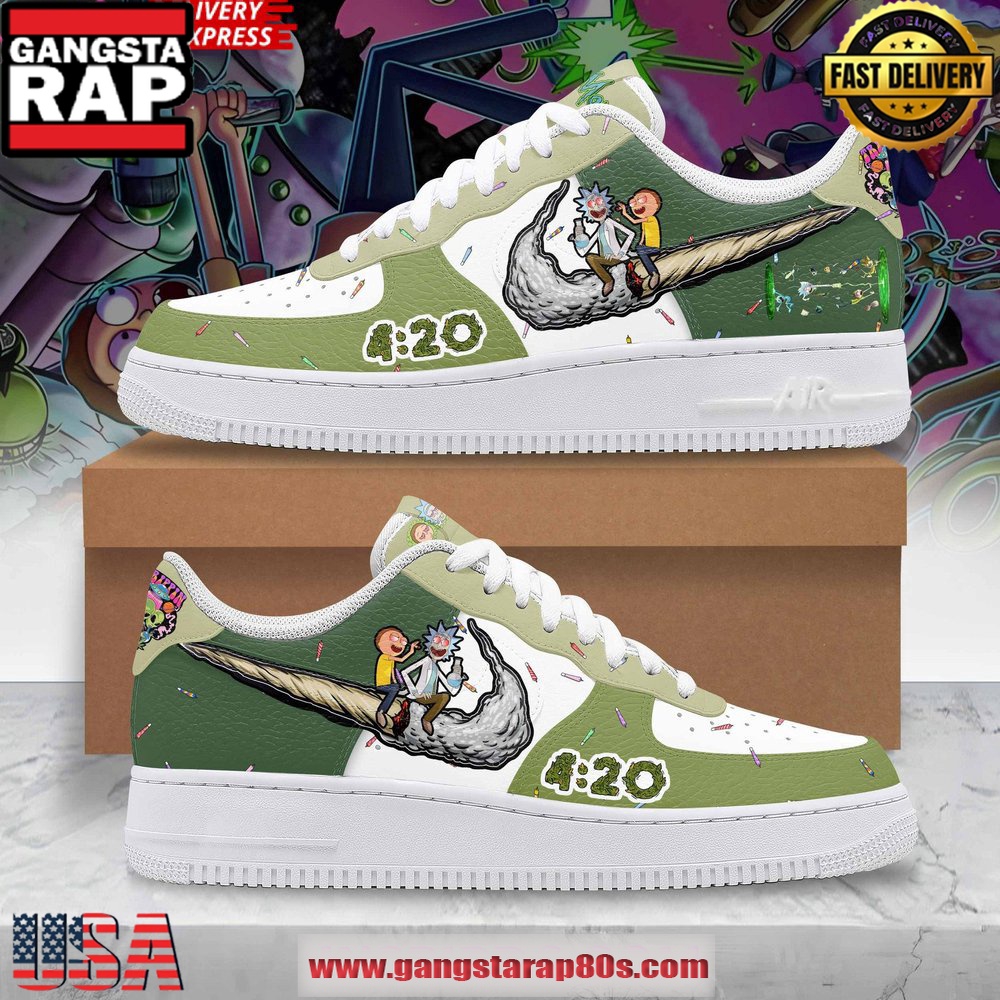
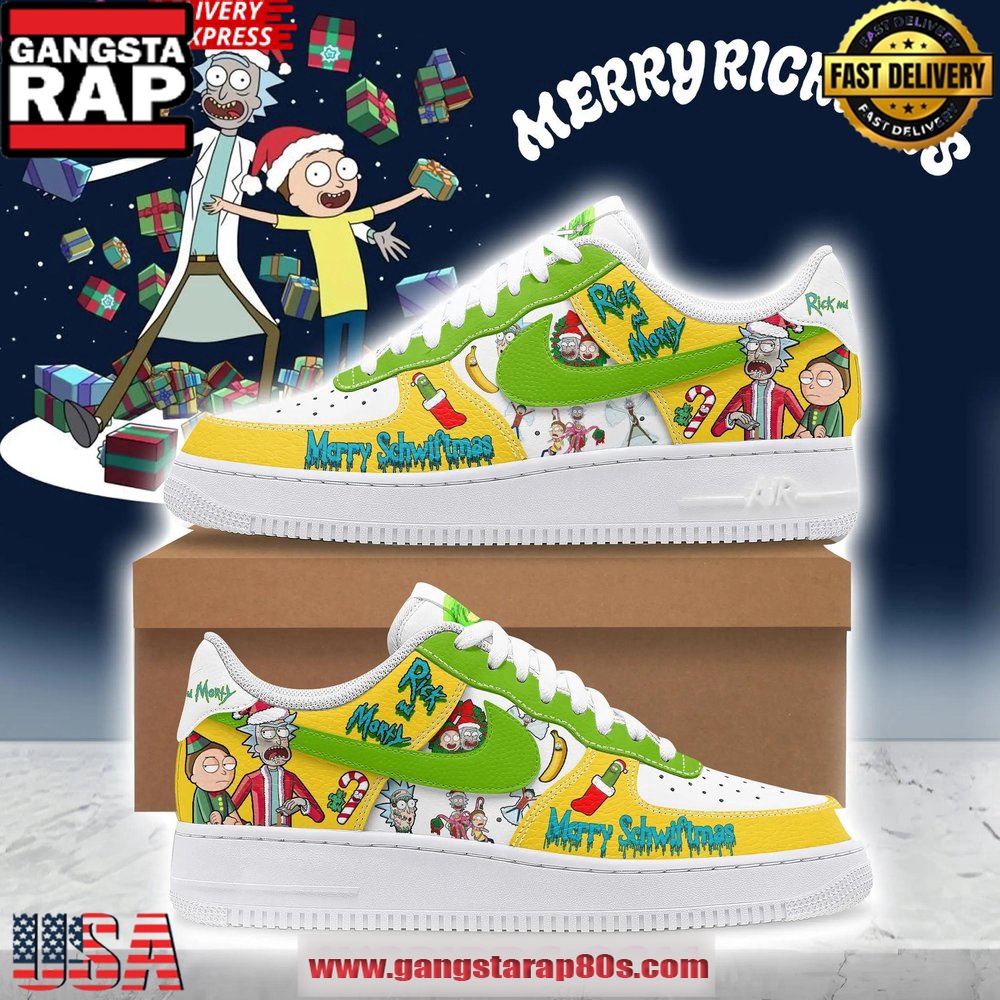
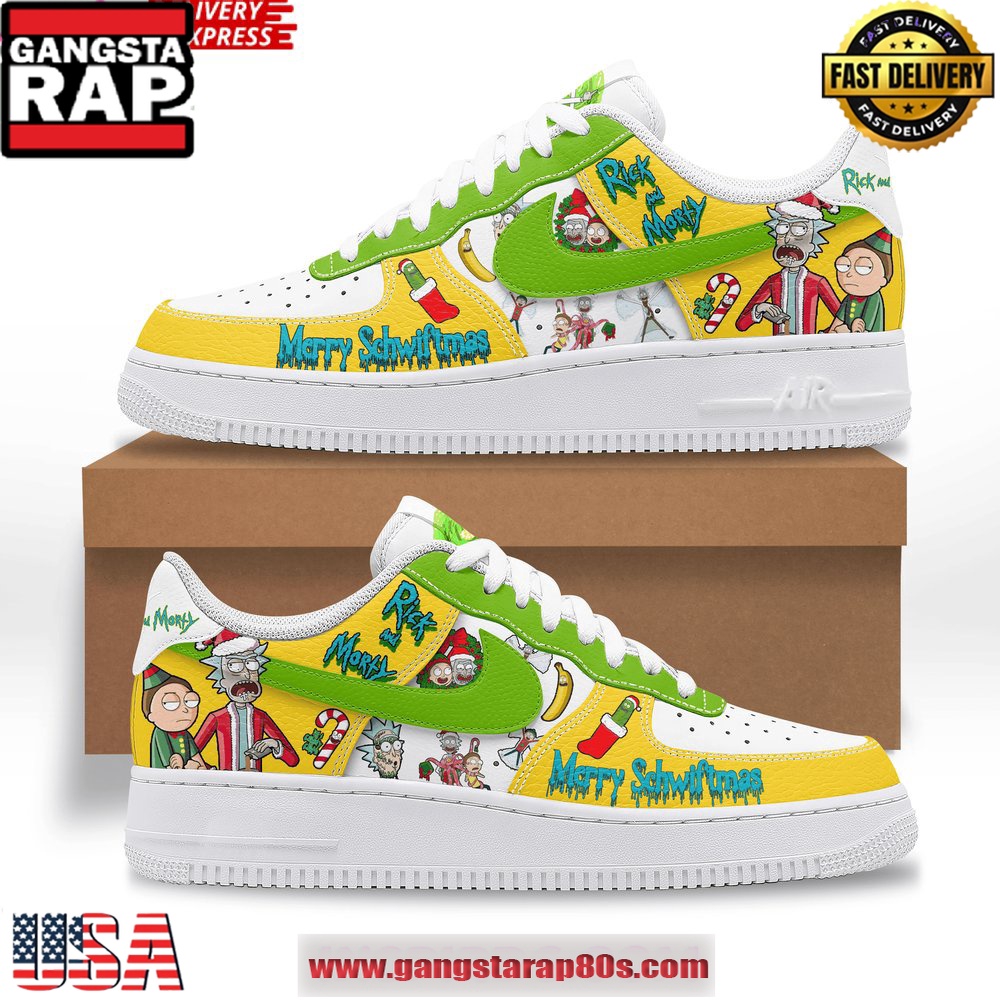
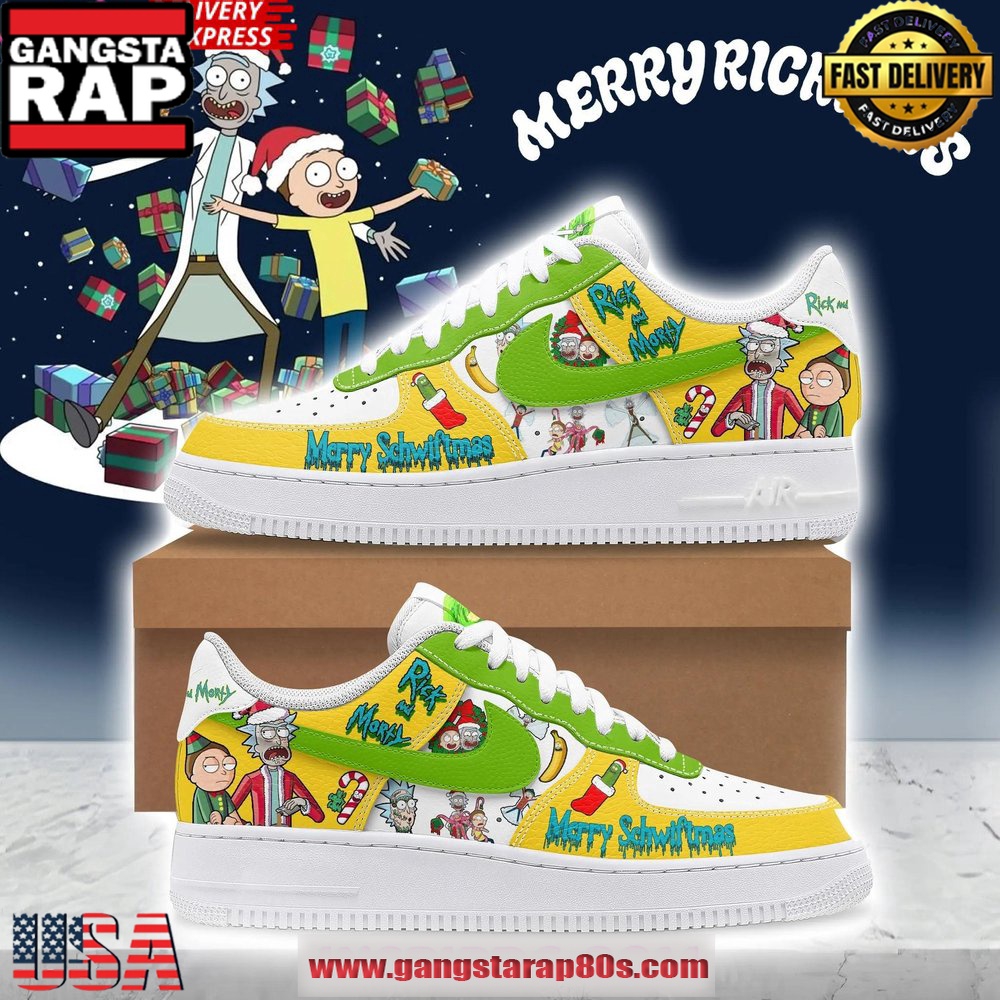
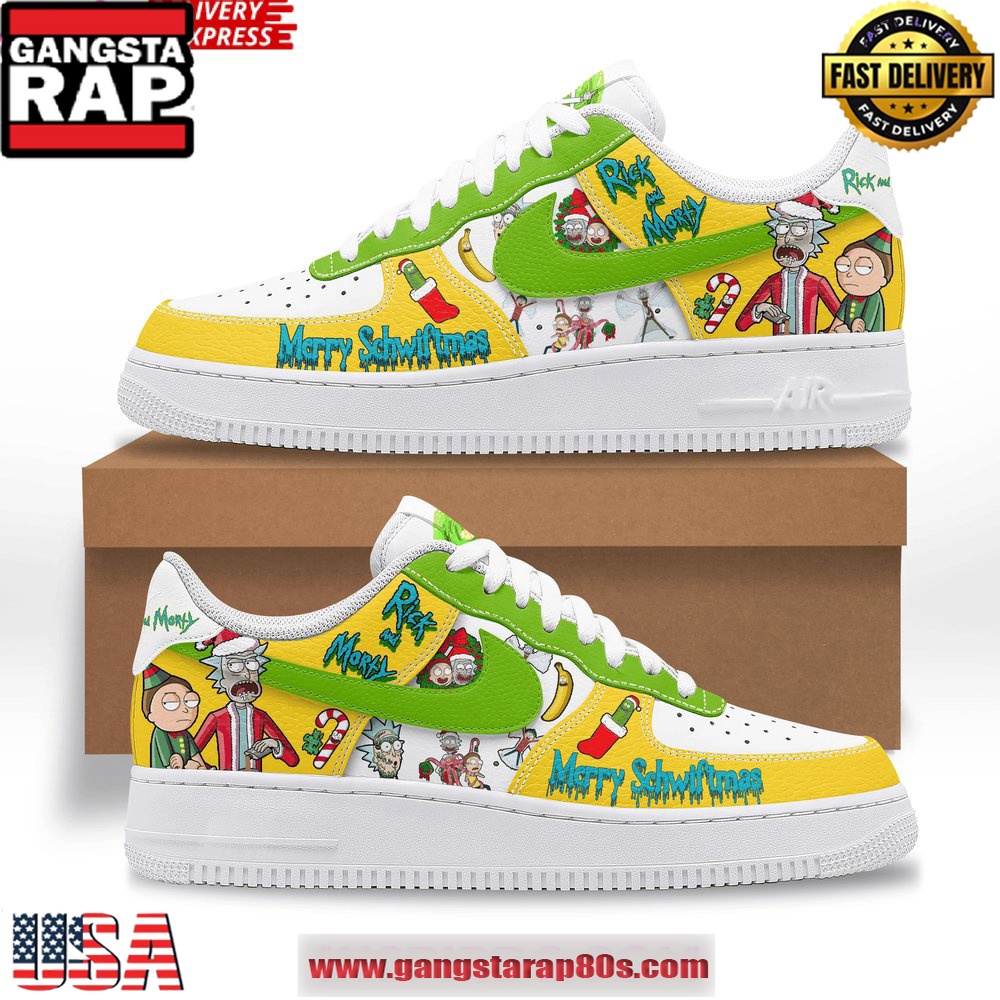
Rick and Morty apparel fits seamlessly into modern fan lifestyles. For gamers, these pieces function as off-stream identity markers—comfortable, expressive, and instantly readable to the right audience. At comic-cons and fan meetups, the designs act as conversation starters. Obscure references invite recognition and discussion, reinforcing community without needing introductions. In everyday streetwear, the apparel blends into casual outfits while still carrying layered meaning. Whether paired with sneakers for city wear or styled as part of a convention look, multiversal gear works because it adapts to context while keeping its identity intact.
The Future of the Multiverse: Upcoming Drops and Scarcity
One reason engagement is high right now is timing. Fans know Rick and Morty content cycles are unpredictable, and that unpredictability fuels attention around limited edition Rick and Morty gear and upcoming drops. Scarcity isn’t just about quantity—it’s about relevance. Designs tied to specific seasons, crossover moments, or visual eras become time-stamped artifacts of the fandom. Collectors and early adopters recognize this, treating apparel as part of a longer fan collection rather than a disposable trend. The franchise’s longevity makes these pieces feel future-proof, even as the multiverse keeps expanding.
Semantic Expansion: Related Multiversal Collections
As a hub, Rick and Morty 2026 apparel naturally connects to adjacent Adult Swim fan apparel ecosystems. Interest often overlaps with Rick and Morty Anime crossover gear, especially among fans drawn to experimental visuals and alternative animation styles. There’s also crossover curiosity with properties like Solar Opposites, where similar humor and design language inform broader cartoon streetwear aesthetics. These related collections create space for future exploration while keeping Rick and Morty at the center of the multiverse. Rick and Morty apparel in 2026 isn’t just merch—it’s a sophisticated subculture built on intelligence, irony, and visual experimentation. Fans use style to choose a side of the multiverse, signaling how deeply they engage with the show and its ideas. In a fandom defined by chaos and curiosity, what you wear becomes a reflection of the dimension you belong to—and how you want others to recognize it.